Evidence-based science is the key to regenerative practices
Evidence-based-science-is-the-key-to-Regenerative-Practices_The-Ag-Professional-2022.pdf
Read More
Evidence-based-science-is-the-key-to-Regenerative-Practices_The-Ag-Professional-2022.pdf
Read More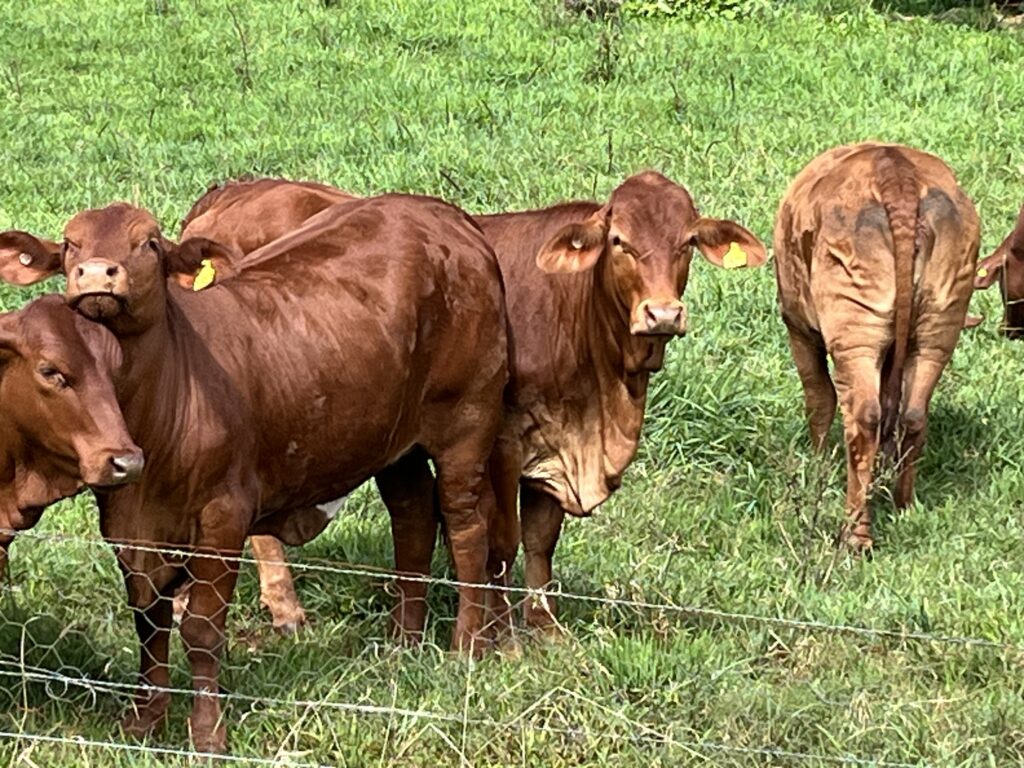
Regenerative agriculture is to ‘regenerate’ and not just ‘sustain’. It is a movement, but describes farming and grazing practices that, among other benefits, rebuild soil organic matter and degraded soil biodiversity – resulting in both carbon drawdown and improving the
water cycle. It also incorporates holistic management practices that utilise photosynthesis in plants to build soil health, crop resilience and nutrient density.
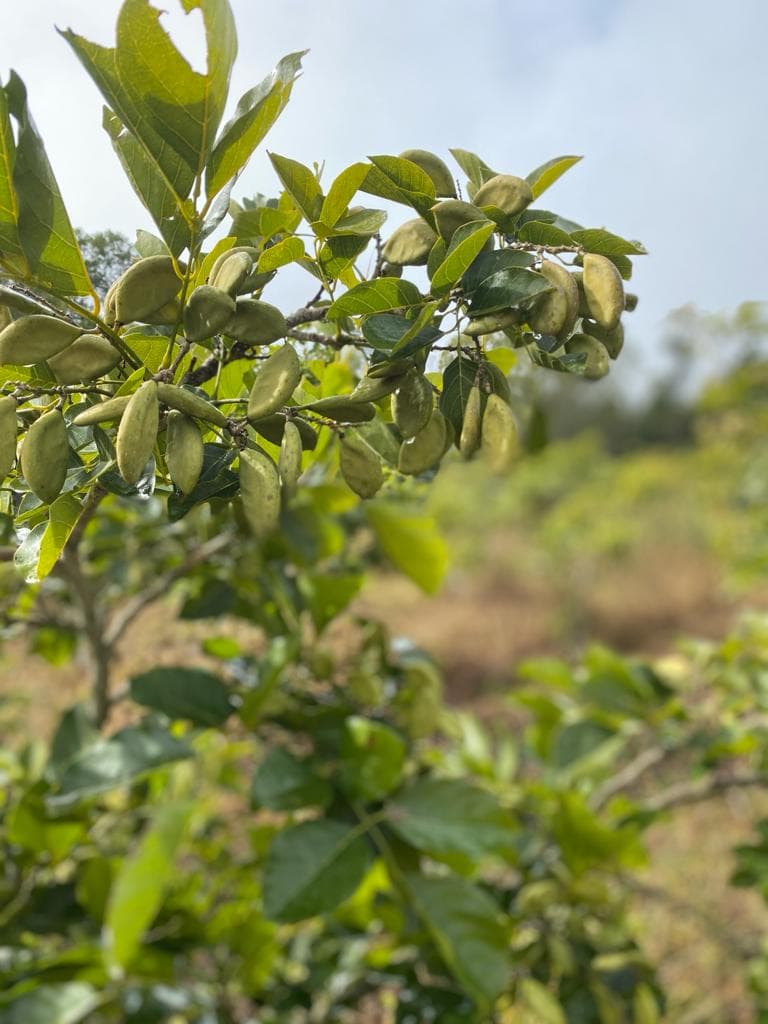
For centuries, pongamia has been used across the Indian subcontinent to fuel lanterns and stoves, make soap and tan leathers, and in traditional medicine1. Native to northern parts of Queensland and the Northern Territory, this hardy legume tree now offers an opportunity for production as a sustainable, lower emission alternative to non-renewable transport fuels.
Read More